
Gender-Empowering Toys
Avy Seoyoon Lee
Student Impact Projects
SDG 5 - Gender Equality
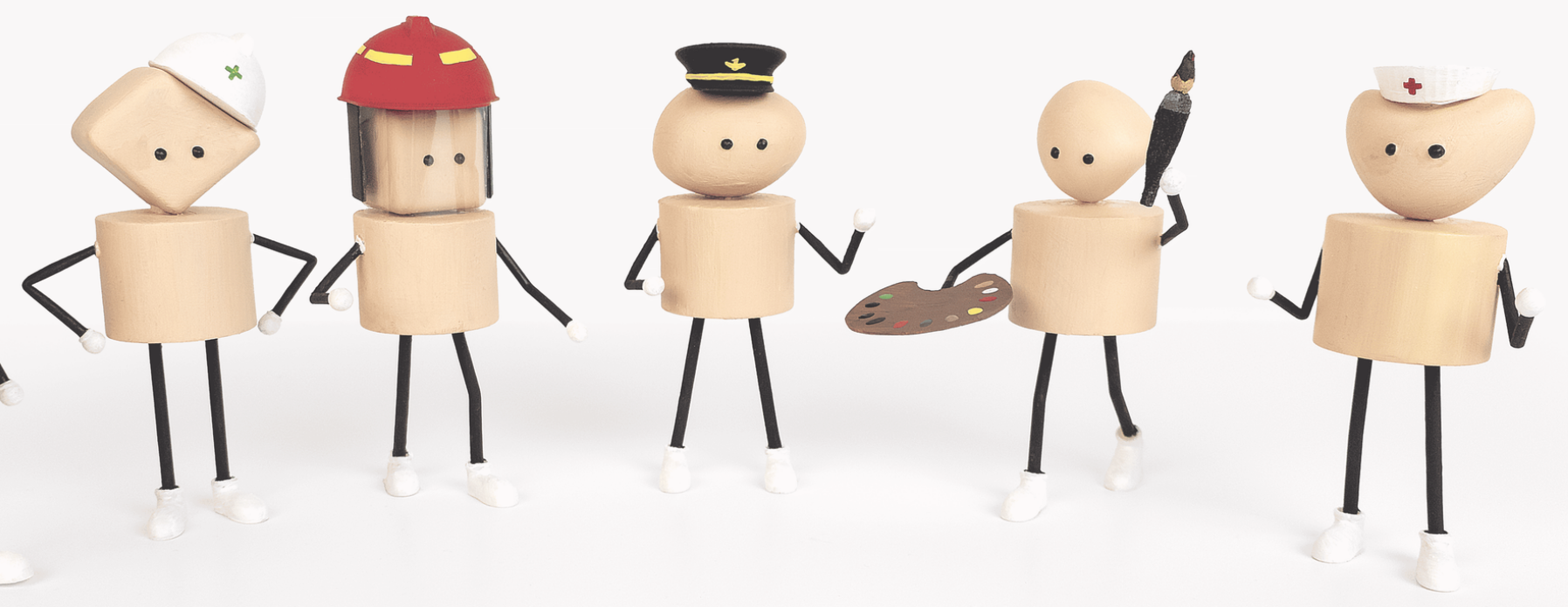
This project explores how toy design influences the formation of gender perceptions in early childhood. By focusing on non-gendered occupational character toys, it examines how play materials can shape children’s understanding of roles, identities, and career possibilities before stereotypes become established. The project considers the use of such toys as supplementary educational tools in both formal and informal learning environments, with attention to their applicability across different cultural and socioeconomic contexts. It also evaluates practical considerations related to implementation, scalability, and integration into existing educational and gender-awareness initiatives.
Curating Justice: Institutional Change for Women in Art History
Hyeonmin Brigitta Hong
SDG 5 (Gender Equality) • SDG 10 (Reduced Inequalities) • SDG 11.4 (Protection of Cultural Heritage) • SDG 16 (Peace, Justice, and Strong Institutions)
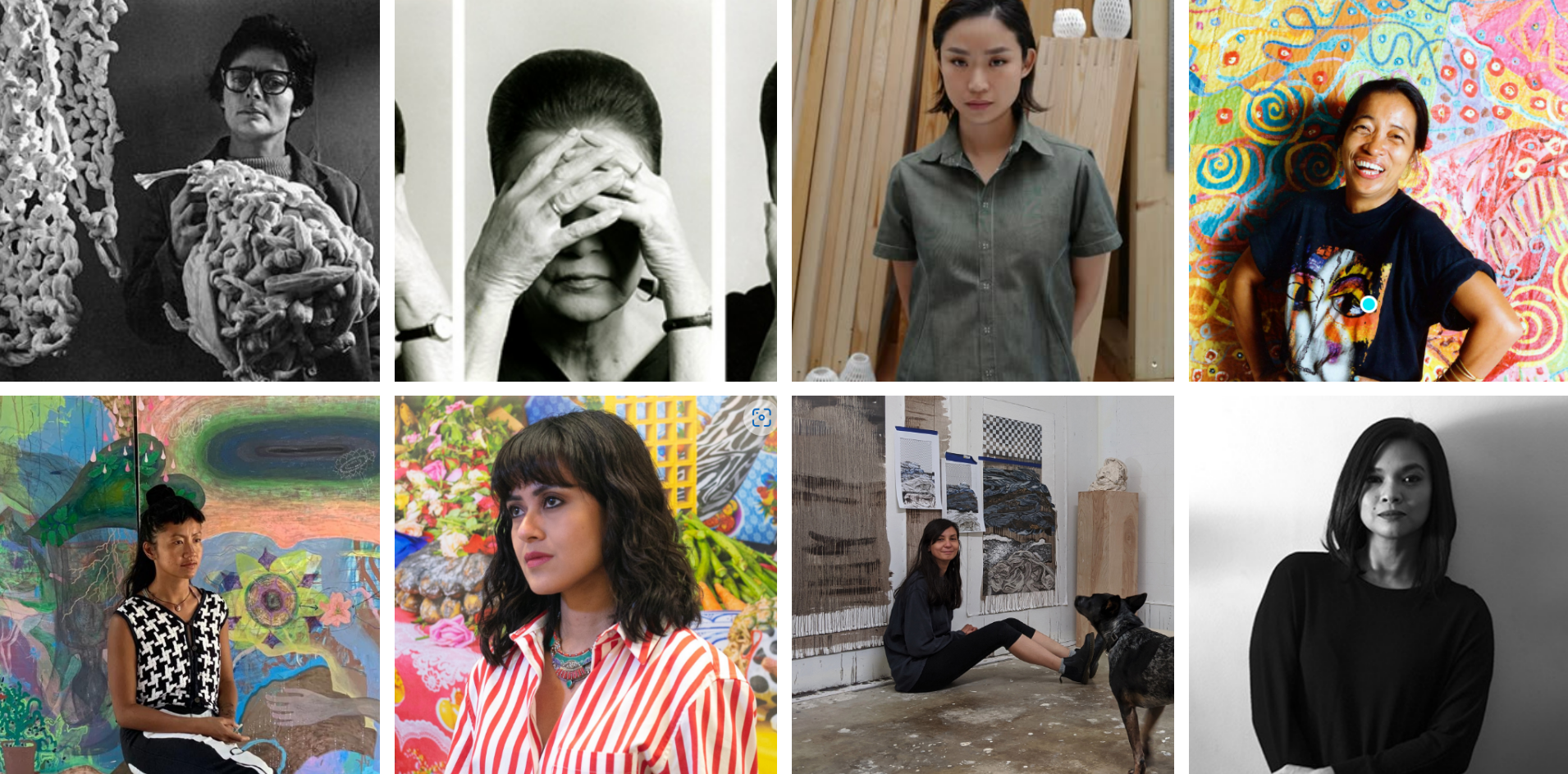
This project addresses the structural underrepresentation of women artists in museum collections and art historical records by examining how institutional practices shape visibility, preservation, and recognition. Through research grounded in feminist art history, it proposes a strategic platform that connects underrecognized women artists with museums, archives, and cultural institutions seeking greater equity. By analyzing provenance patterns, archival gaps, and access barriers, the project focuses on how cultural value is defined and recorded, and explores practical pathways for institutions to reassess curatorial standards and support a more inclusive art historical framework.
Open Source Seed Sharing
Chanyeong Edward Yoon
SDG 2 (Zero Hunger) • SDG 12 (Responsible Consumption and Production)
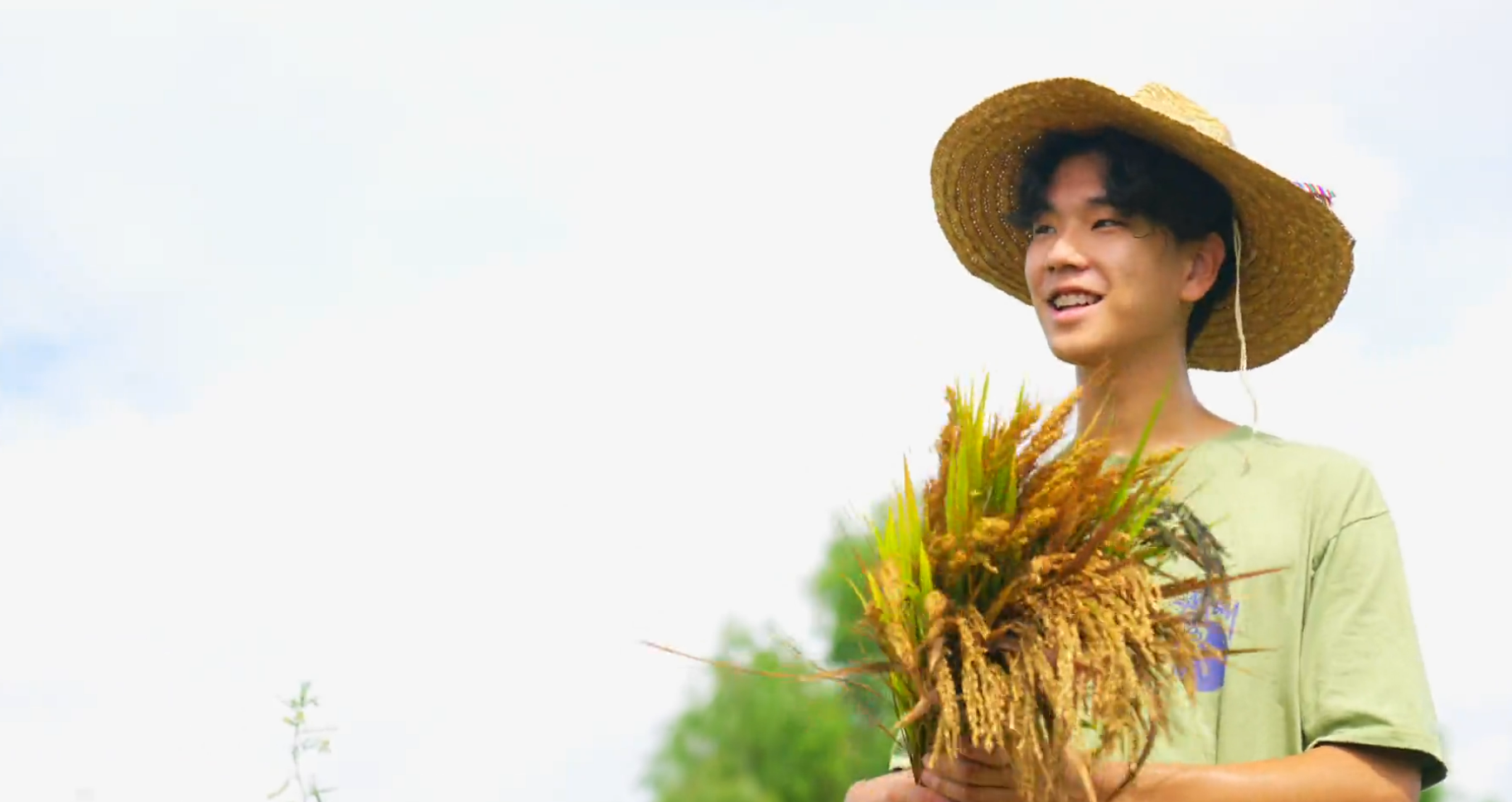
This project proposes H2OSSI (Heirloom-to-Open Source Seed Initiative), an open-source digital platform designed to support the preservation and circulation of Korean heirloom seeds amid climate change and increasing consolidation in the global seed industry. Drawing on interviews with local farmers and agricultural researchers, the project identifies challenges including declining economic viability, generational gaps, and limited access to seed-related information. By adopting a farmer-centered, participatory model inspired by existing open-source seed movements, the initiative explores how digital tools can strengthen seed sovereignty, protect agricultural biodiversity, and contribute to more resilient and equitable food systems.
SafeWaves
Byungwook Park & Byungmin Park
SDG 3 (Good Health and Well Being) • SDG 16 (Peace, Justice, and Strong Institutions)
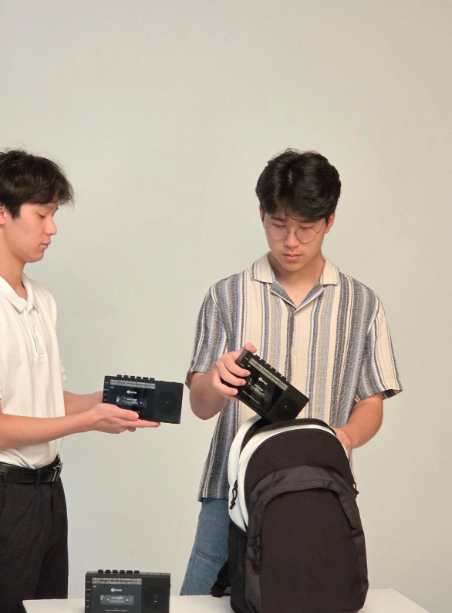
SafeWaves is a humanitarian initiative designed to support displaced and conflict-affected populations by addressing gaps in emergency medical aid and access to reliable information. The project proposes the distribution of portable safety kits containing basic first aid supplies and solar-powered, multi-band radios pre-tuned to secure emergency frequencies. These broadcasts provide critical updates such as evacuation guidance and public health information, while also offering psychological support through culturally neutral audio content. By partnering with NGOs for distribution and training local technicians to maintain the equipment, the initiative emphasizes community-centered sustainability and aims to strengthen resilience in high-risk environments.
Cuick School
Nathan Sejin Kim & Min Jun Hwang
SDG 4 (Quality Education) • SDG 11 (Sustainable Cities and Communities)
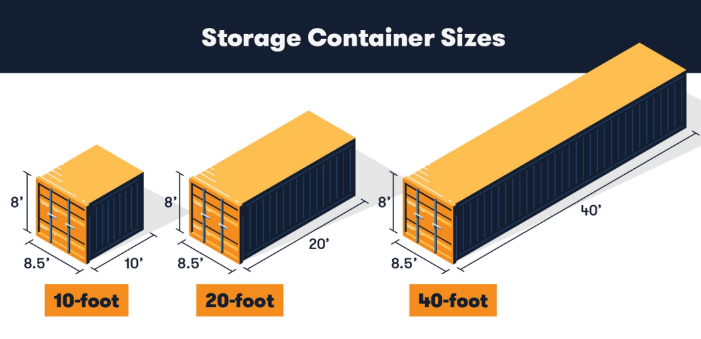
Cuick School proposes a modular, container-based education infrastructure designed for rapid deployment in conflict-affected regions where access to formal schooling has been disrupted. Responding to the lack of coordination and quality standards in existing container school initiatives, the project outlines a unified architectural system and implementation framework that enables communities, NGOs, and public stakeholders to assemble safe, climate-adaptive learning spaces efficiently. Beginning with a pilot deployment in Sudan, the initiative integrates spatial design, learning materials, and functional furnishings to support sustainable, community-centered education for displaced and post-crisis populations..
Community-Based Water Access Through Decentralized Desalination Systems
Andrew An
SDG 6 (Clean Water and Sanitation) • SDG 13 (Climate Action)
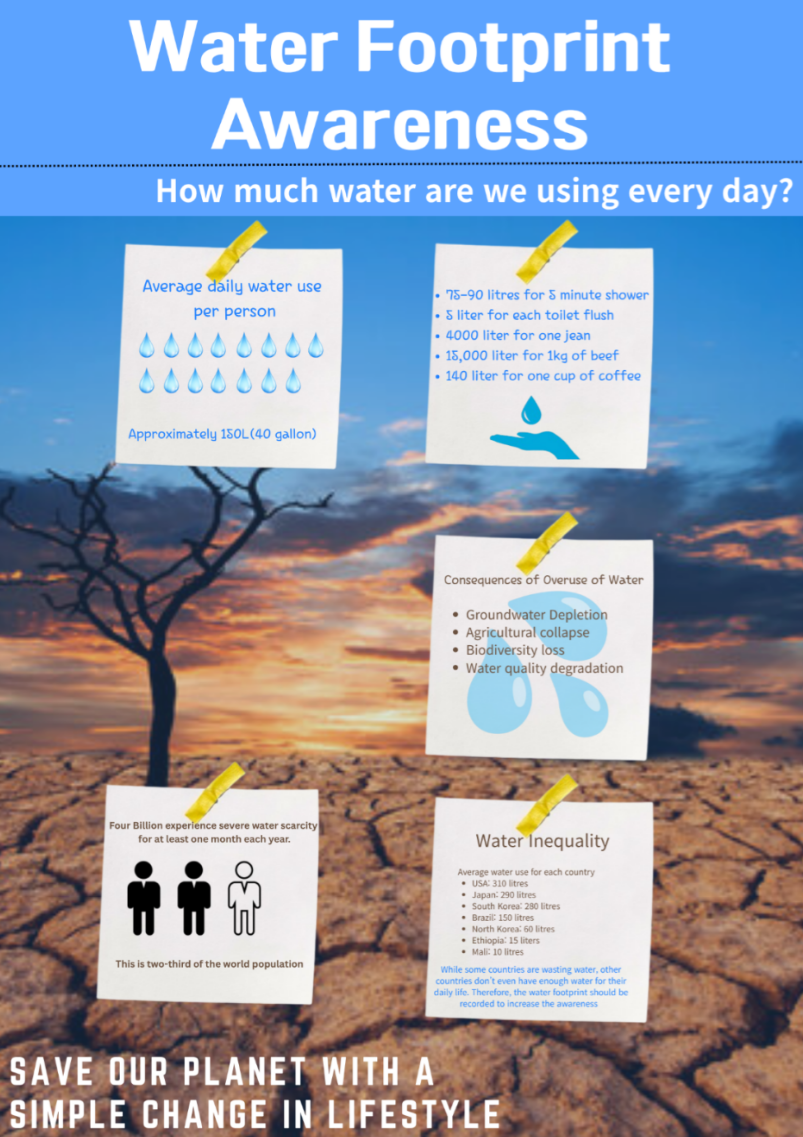
This project focuses on improving water access in climate-vulnerable and infrastructure-limited regions through a decentralized, solar-powered water purification system designed for off-grid use. Built with low-cost and biodegradable materials, the system is intended for deployment in rural, disaster-affected, and post-conflict communities. Emphasizing community-level implementation rather than technical optimization alone, the initiative explores partnerships with local leaders and humanitarian organizations to test feasibility, adaptability, and long-term resilience. The project aims to contribute to a scalable and locally supported model for sustainable water access.
-
Read
Daily news updates, features, photo essays, thematic focus pages, and interviews with UN officials and advocates who have lent their voice to UN causes.
-
Watch
In addition to live and on-demand video-clips of meetings, events, and conferences from UN WebTV, there are features and stories on important global issues.
-
Listen
UN audio programmes, news stories, and interviews with key UN officials. Our hit UN News podcast "UNComplicated" gives you a unique perspective on the work of the Organization and the views of UN experts on important subjects. Our award-winning "Awake at Night" podcast gives an intimate and personal peek into the lives of UN staff who are striving to make a difference around the globe.
-
Engage
For media outlets and other content providers, we offer partnership opportunities. Everyone is also invited to engage with us via our various social media platforms.